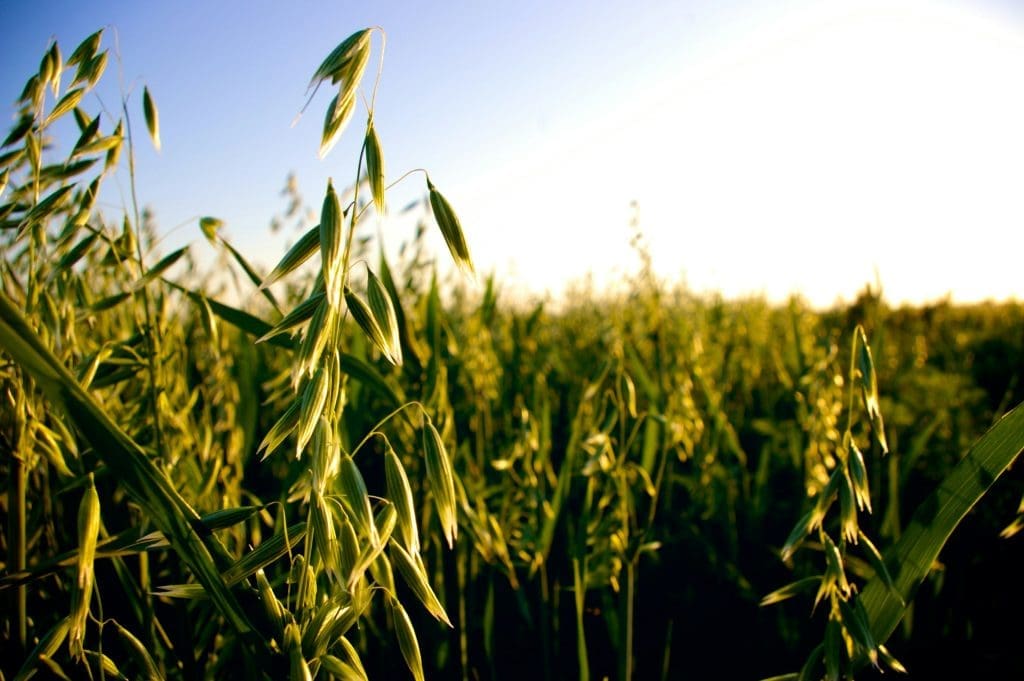
On April 21, 2026, the Environmental Working Group (“EWG”), a nonprofit advocacy organization, filed a lawsuit against the Environmental Protection Agency (“EPA”) over the agency’s lack of response to a 2018 petition submitted by EWG requesting that EPA revoke or modify pesticide tolerances for glyphosate. Specifically, the petition sought review of the glyphosate tolerance for oats, claiming that the current tolerance level is unsafe, particularly for children. According to EWG, it is not asking the court to resolve the underlying merits of the petition but to require EPA to make a final decision.
Pesticide Tolerances
In the United States, pesticides are primarily regulated under the Federal Insecticide, Fungicide, and Rodenticide Act (“FIFRA”). Under FIFRA, a pesticide may not be sold or distributed in the United States until EPA registers it for use. To register a pesticide for use in the United States, FIFRA requires that EPA determine that using the pesticide will not cause “unreasonable adverse risks on the environment.” 7 U.S.C. § 136a(c)(5)(C). Additionally, if a pesticide is registered for use on a food crop, EPA must set a tolerance for the pesticide which describes the amount of pesticide residue that can remain on the food item once it enters the marketplace. While FIFRA governs most of the pesticide registration process, establishing pesticide tolerances is governed by the Federal Food, Drug and Cosmetic Act (“FFDCA”). 21 U.S.C. § 346a. Without an established tolerance, a pesticide many not be used on crops intended to enter the food system. 21 U.S.C. § 346a(a).
According to the FFDCA, EPA may only “establish or leave in effect a tolerance for a pesticide chemical residue in or on a food if [EPA] determines that the tolerance is safe.” 21 U.S.C. § 346a(b)(2)(A)(ii). The statute clarifies that “safe” means that EPA “has determined that there is a reasonable certainty that no harm will result from aggregate exposure to the pesticide chemical residue.” 21 U.S.C. § 436a(b)(2)(A)(ii). Put differently, a pesticide tolerance is considered safe if repeated exposure at the set level will not cause adverse health impacts to humans. The FFDCA goes on to provide that EPA must specifically “ensure that there is a reasonable certainty that no harm will result to infants and children from aggregate exposure to the pesticide chemical residue.” 21 U.S.C. § 346a(b)(2)(C)(ii). Not only must EPA determine that a pesticide tolerance will not cause harm to adults, the FFDCA requires EPA to take particular care that a residue limit is not so high that repeated exposure will cause harm to infants and children.
EPA may establish, modify, or revoke a pesticide tolerance at any time based on either its own initiative or in response to a petition filed by a third party. 21 U.S.C. § 346a(c)(1). Although anyone may petition for a pesticide tolerance to be modified, if someone requests that a tolerance be revoked, they must include data in their petition supporting the request. 40 C.F.R. § 180.32(b). Once EPA receives a petition, it must publish a copy in the Federal Register within 30 days and provide at least 60 days of public comment before issuing a response. 40 C.F.R. §§ 180.7(f), 180.29(b). Once EPA issues a final decision on a petition to revoke or modify a pesticide tolerance, the decision can be challenged in a court of law. 21 U.S.C. § 346a(h)(1).
In 2021, the Ninth Circuit Court of Appeals ruled that EPA should either revoke or modify an existing pesticide tolerance once the agency finds that the tolerance is unsafe. In League of United Latin Am. Citizens v, Regan, No. 19-71979 (9th Cir. 2021), the court held that EPA should review a tolerance once it becomes aware of “genuine questions” as to its safety to ensure that the tolerance continues to meet the safety requirement established in the FFDCA. Then, if EPA finds that the tolerance is unsafe, it may no longer remain in effect. In that case, the plaintiffs had challenged EPA over the agency’s denial of a petition to revoke tolerances for the pesticide chlorpyrifos, a commonly used insecticide. The petition included scientific data suggesting that current tolerances were not safe for infants and children. In its ruling, the Ninth Circuit reasoned that the evidence submitted by the plaintiffs raised the type of “genuine questions” that should have triggered an EPA review. As a result of the court’s decision, all the tolerances for chlorpyrifos were revoked. For more information on that decision, click here.
EWG’s Petition & Lawsuit
The recent lawsuit filed by EWG in the D.C. Circuit Court of Appeals focuses on a petition to modify glyphosate tolerances that the group submitted to EPA in 2018. Specifically, the petition requested that EPA either revoke or modify the glyphosate tolerance for oats and restrict the use of glyphosate as a pre-harvest desiccant to help with crop dry-down. The petition includes evidence suggesting that the current tolerance level for oats is too high to protect infants and children, and that pre-harvest applications of glyphosate increase dietary exposure in foods commonly consumed by children. Although EWG filed its petition in 2018, EPA has yet to make a final decision on whether to grant the group’s request. In its lawsuit, EWG argues that EPA has wrongfully withheld making the final decision.
The Administrative Procedure Act (“APA”) is a federal law that governs how agencies draft and adopt regulations, and allows federal courts to review agency actions. Under the APA, agencies are required to conclude matters presented to them “within a reasonable time.” 5 U.S.C. § 555(b). The law goes on to provide that courts “shall compel agency action unlawfully withheld or unreasonably delayed.” 5 U.S.C. § 706(1). EWG claims that EPA has unreasonably delayed making a final decision on the 2018 petition and asks the court to compel the agency to make that decision.
EWG makes three arguments to support its request. First, the groups argue that EPA has unreasonably delayed its response, noting that the seven years that have elapsed since the petition was first submitted is beyond what courts have typically deemed reasonable. The group referenced various court cases which concluded that an agency had unreasonably delayed final action on a petition after the agency had failed to act for several years. Additionally, EWG claims that FFDCA imposes a duty on EPA to ensure that pesticide tolerances are safe, with specific protections for infants and children. Because that duty to ensure safety includes a requirement to respond to petitions that raise safety concerns for currently established pesticide tolerances, EWG argues that EPA’s failure to respond to the 2018 petition unreasonably delayed the agency’s duty to ensure that glyphosate tolerances on oats are safe.
Second, EWG argues that the delay is particularly intolerable because it concerns human health, including the health of children. The group points to various court rulings which have held that prolonged agency inaction is particularly unreasonable when it concerns matters of human health. Specifically, EWG referenced In re Center for Biological Diversity, 53 F.4th 665 (D.C. Cir. 2022) where the court held that delay of agency action was particularly inappropriate on a matter where Congress had prioritized protection of health and safety. Because the 2018 petition raised safety concerns about the effects that current glyphosate tolerances on oats have on infants and children, EWG claims that EPA’s delayed response is especially unreasonable.
Finally, EWG argues that EPA’s failure to issue a final decision undermines the FFDCA by preventing judicial review. EWG notes that the FFDCA provides for judicial review of EPA’s final decision on petitions to revoke or modify pesticide tolerances. However, because EPA has yet to issue a final decision despite receiving the petition in 2018, EWG argues that EPA has frustrated the judicial review mechanism that Congress provided. The group claims that without a court order, EPA may continue to defer a final response, and therefore judicial review, indefinitely. For those reasons, EWG has asked the court to order EPA to issue a final response on the 2018 petition by a specific date.
Going Forward
EWG’s lawsuit comes at a time when glyphosate is under increased scrutiny. Public concern about the safety of the herbicide has grown since the International Agency for Research on Cancer issued a report concluding that glyphosate may be carcinogenic for humans in 2015. Although EPA has routinely found that glyphosate does not cause cancer in humans, lawsuits against Monsanto, the manufacturer of glyphosate, for failing to warn consumers about the alleged health risks have been on the rise over the last decade. In 2026, the issue has reached the United States Supreme Court in the form of Durnell v. Monsanto, No. 24-1068 (2026). Although this current case only asks the D.C. Circuit Court of Appeals to require EPA to respond to the 2018 petition, the court’s decision may ultimately lead to further litigation as to whether the current glyphosate tolerance for oats is safe. Because a pesticide may not be used on a food crop without an established tolerance, if EPA ultimately approves EWG’s petition or is directed to revoke the tolerance by a court, it could result in glyphosate becoming unavailable for use on oats.
While it is too early to tell how this dispute will be resolved, it is one to watch for those interested in access to pest control tools.
To read EWG’s complaint, click here.
To read EWG’s 2018 petition, click here.
To view the text of FIFRA, click here.
To view the relevant provision of the FFDCA, click here.
For more resources on pesticides from the National Agricultural Law Center, click here.