Rusty Rumley, Senior Staff Attorney
Grace Henson, Research Fellow
Solar leasing is the practice of installing solar panels on large areas of land leased from a third party to generate electricity from sunlight. Commercial solar leasing is a topic that has garnered increasing attention because of the high rental rates in many areas of the country. Large-scale commercial solar leases include several unique aspects that make them differ from the typical residential solar contract. Because landowners and solar companies are free to enter a contract containing whatever terms the parties agree on, the clauses and terms vary greatly from lease to lease. However, there are several common clauses that many leases contain. We gathered and analyzed many available commercial solar leases to create this blog series about the most common clauses and layout the variety of terms found within those common clauses. The following post details common clauses involving the landowner’s rights and use of the land during the lease; however, it is important to have an attorney thoroughly review any contract before it is signed. To read the overview post on Solar Smarts for Landowners click here.
Access and Use of the Property Clauses
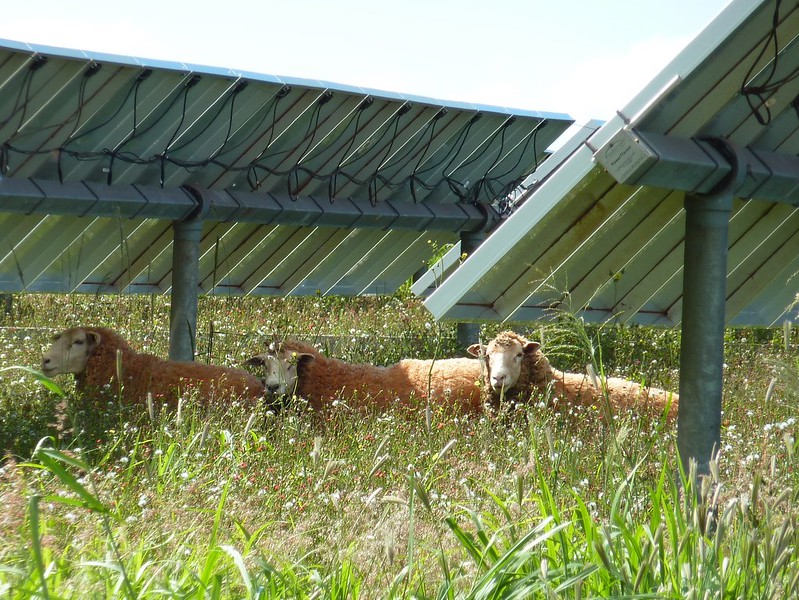
Land carries an intrinsic value for farmers that is often difficult to put into words. Protecting the land and farming land that is not being used under a solar lease is often a priority when negotiating any lease. This makes it important to consider whether the lease agreement significantly limits the landowner’s access to, or use of, their property. Many leases contain an “owner access” or property use restriction clause that specifies what actions can be taken by both the solar developer and the landowner. Having clear expectations from both sides of the agreement can limit potential conflicts in the future. In our research, some solar leases may adequately address many of these issues while others are lacking in detail. If there are specific uses and activities that the landowner wishes to continue, the lease agreement should expressly include those rights before anything is signed. Below are sample clauses from various solar leases that we have selected to use as examples as well as commentary about the clauses:
- Landlord shall not make any material changes to the property that would impact the soil quality of the Easement area or block the sunlight.
This clause provides very little guidance to the lease parties and is written entirely in favor of the solar developer. What impacts soil quality and what should be avoided to not block sunlight? Adding clear expectations with specific descriptions of prohibited activities would help to clarify this clause. The landowner will also want assurances on how they can continue to use their property in a way that does not violate the lease agreement. These issues will be addressed as we look at different clauses. Example two:
- “During the Development Term, owner shall have the right to continue to use the Property for agricultural, ranching, timber harvesting, and/or other reasonable purposes so long as the Property is maintained substantially in accordance with its current condition and in compliance with all applicable laws.”
This clause allows the property owner to continue using the property for normal farming activities during the development term of the lease. It is important to note that this clause only applies to the development term, not the entire lease. Once construction begins the landowner will lose access to some property but notice that the exact property at issue is not described in this clause. To learn more about the different phases of a solar lease read our guide to Understanding Solar Energy Agreements here.
If a landowner wishes to retain rights to use the land in these ways throughout the entirety of the lease term, the lease agreement should reflect that and include a similar clause applicable to the construction and operation terms. One issue that frequently arises is that due to the nature of the construction phase, the project may take up more of the land than when the project moves into the operation phase. The solar developer will need extra space to store equipment and supplies during the construction phase, and the landowner should make sure that they will be compensated for this additional temporary usage. During this phase the landowner is unlikely to be able to continue farming this property. Because the development phase can take years to complete the landowner would like to be able to farm their property in the meantime and receive sufficient notice before the solar lease moves into the construction phase. For pasture this notice may be short, but for row crops the landowner should negotiate for a longer notice period so that they do not lose a growing crop. Regardless of the notice period, it is important to include language specifying damages when a solar lease moves into the construction phase.
A lease may also include an owner access clause that specifies the process to be followed for the landowner to access the leased premises.
For example:
- “During the Construction and Operation Term and any Extended Term with respect to any Property, Owner shall have the right to reasonably access such Property at reasonable intervals and at reasonable times and upon at least forty-eight hours’ prior advance written notice to Lessee to inspect such Property. Any such access shall not materially interfere with Lessee’s use of such Property for Solar Energy Purposes and occupancy of such Property in any manner.”
This clause clarifies the steps to be taken for the landowner to access the property and also places a restriction on the actions taken by the landowner while on the property. The property owner may want to inspect their property to make sure that the property is being taken care of, but this is also a potentially dangerous place to be with either construction equipment during the construction phase or dangerous amounts of electricity during the operation term so the solar developer will want to protect themselves as well.
Ultimately, a solar lease also grants access to the land to many individuals who are likely strangers to the landowner. Employees from the solar company, maintenance workers, and others will be accessing the land over the course of several decades. This is likely unfamiliar to rural landowners and can cause additional stress and impose increased liability. A lease may specifically limit what can be grown on the land (timber is typically prohibited since it may create shade), what can be built on the land (barns, houses or other structures that could create shade) and other uses, such as hunting rights, may be restricted or significantly limited.
It is important to negotiate the access and usage of the property that the landowner will feel comfortable with before signing any agreement. Once the agreement is signed then it is very difficult to change the agreement in the future.
Maintenance of the Property
Most leases establish which party is responsible for maintenance of the property. Some leases require the tenant to maintain the property, while others hold the landowner responsible for keeping the land in proper order.
For example:
-
-
- “Landlord shall maintain its property adjacent to the Leased Premises in good condition and state of repair to avoid interference with Tenant’s use of the Leased Premises and the Easement. Landlord shall not construct or permit to be constructed structures or plant or permit to be planted trees adjacent to the Leased Premises that will impede solar access to Solar Farm.”
- Landlord shall maintain the property in a good condition, including the property in the immediate vicinity of the System.
- Operator (tenant) shall maintain the property in a neat and clean condition. Operator shall repair any cattle guards, fences, or gates damaged in connection to the Operator’s activities on the property.
-
Many solar agreements split the duty for maintenance of the property. The solar developer is often responsible for the property that is being actively used by the project (this land is almost aways fenced in to limit access) and the property owner is responsible for maintaining the property outside the fence. Many solar developers will also reserve the right to maintain land immediately outside of the project so that they can cut down vegetation that could create shade or a fire hazard. Specifying responsibilities between the parties can make relations better over the life of the lease agreement.
Conclusion
A property owner should consider how the lease terms impact their ability to use their land. Issues such as use of the surrounding land and maintenance of the property may seem like far away concepts during the lease negotiation, but the terms created during these negotiations will dictate how the land will be used and maintained for decades to come.
To read other articles in the Solar Smarts for Landowners series click here.
To read Understanding Solar Energy Agreements by Shannon Ferrell, click here.
To read about Land Use Conflicts between Wind and Solar Renewable Energy and Agricultural Uses, click here.