“The Fancher Fellowship offers an unparalleled opportunity for law students interested in agricultural policy to gain firsthand experience in Washington, D.C.” — Harrison Pittman, Director, National Agricultural Law Center.
By Ramie Parsons
National Agricultural Law Center
U of A System Division of Agriculture
Nov. 4, 2025
Fast facts:
- D.C.-based Fellowship for agricultural law students
- Application deadline Jan. 5, 2026
- Position is paid
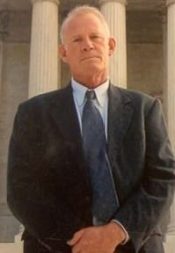
AG LAW FELLOWSHIP — A new agricultural law fellowship was created in honor of the late Scott E. Fancher.
FAYETTEVILLE, Ark. – The National Agricultural Law Center has partnered with two national organizations to launch a first-of-its-kind fellowship focused on developing the next generation of attorneys to work in the agriculture industry.
As part of the Memorandum of Understanding signed at the National Association of State Departments of Agriculture annual meeting in September, the National Agricultural Law Center, NASDA and the NASDA Foundation have launched the Scott E. Fancher Agricultural Law Fellowship. The application period runs from Nov. 1 to Jan. 5, 2026, with the award to be announced by the end of January.
This fellowship honors Scott E. Fancher, who served the agriculture industry and country with distinction as an agricultural lawyer, a farmer, Farm Service Agency County Executive Director in multiple counties and as a U.S. Marine.
Harrison Pittman, director of the National Agricultural Law Center, said Fancher served as an inspiration for many in the field of agricultural law.
“Scott was a mentor to me and was instrumental in the early days – about 20 years ago – of helping develop a vision for what the National Agricultural Law Center could accomplish,” Pittman said. “Scott was a friend who really believed in others’ dreams and this fellowship is a great way to honor his legacy.”
The Fancher Fellowship will be a paid position located at the NASDA headquarters in Arlington, Virginia, from mid-May to early August. During the fellowship, the selected law student will conduct supervised legal research, write on key agricultural and food law issues, attend Congressional hearings and policy briefings and more.
To read the full news release, click here.