by NALC Senior Staff Attorney Elizabeth Rumley
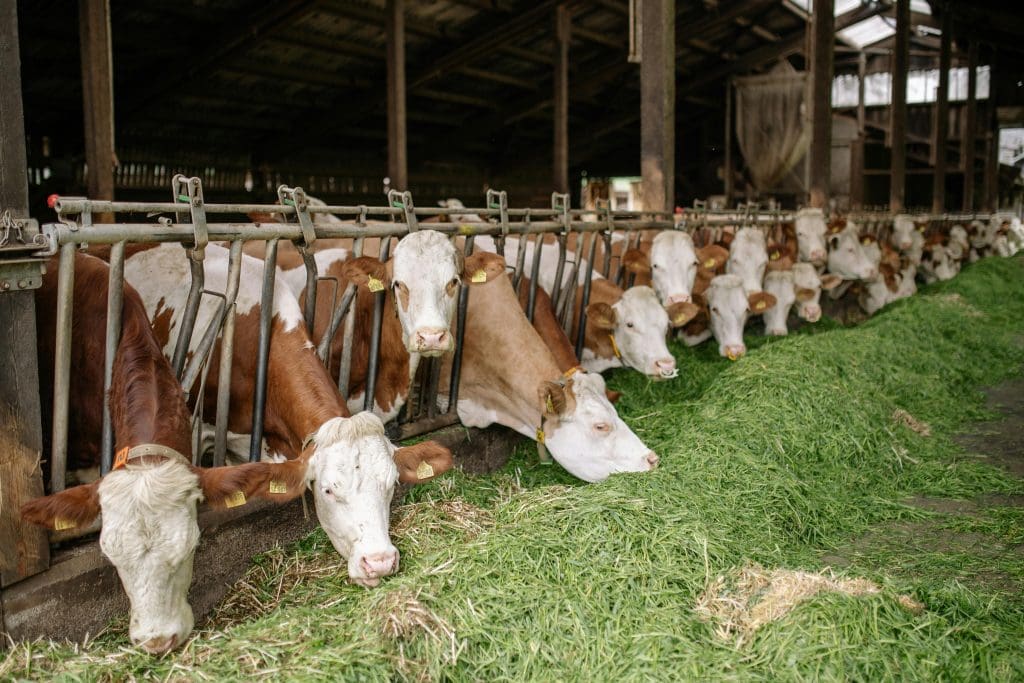
A proposed ballot measure in Oregon, known as Initiative Petition 28 (IP 28), would make sweeping changes to Oregon animal cruelty laws and could substantially impact hunting, fishing, livestock production, and other animal-related activities in the state. As of May 20th, supporters had obtained enough raw signatures to place it on the ballot in November 2026. However, those signatures have not yet been verified by the Oregon Secretary of State, which means it is not yet certified for the ballot.
Oregon is one of numerous states that allows citizens to propose laws directly through the ballot initiative process. In Oregon, an “initiative petition” is a proposed statute or constitutional amendment drafted by citizens rather than lawmakers in the state legislature. If supporters gather enough valid voter signatures within the required timeframe, the proposal can appear on the statewide ballot for voters to approve or reject during an election.
How Does the Process Work?
Before signature gathering can begin, initiative sponsors must file the proposed language with the Oregon Secretary of State and receive approval for a ballot title. Once approved, supporters may begin collecting voter signatures.
For statutory initiatives such as IP 28, supporters must collect signatures equal to six percent of the votes cast for governor in the last gubernatorial election. For the 2026 election cycle, that threshold is 117,173 valid signatures. Signatures must be submitted by July 2, 2026, in order for the proposal to qualify for the November ballot.
Election officials then verify the signatures before certifying whether the initiative will appear on the ballot. Even after signatures are submitted, legal challenges regarding ballot language or procedural issues may still occur before the election.
What Would IP 28 Do?
Initiative Petition 28, or the “People for the Elimination of Animal Cruelty Exemptions (PEACE) Act,” would make substantial changes to Oregon’s criminal animal cruelty statutes. It would remove many of the statutory exemptions that currently exclude certain conduct from criminal liability. In other words, it would expand the potential application of Oregon’s abuse, neglect, and sexual assault provisions to activities that are presently authorized or protected under state law.
Under Oregon law, animal cruelty offenses are primarily found in Chapter 167 of the Oregon Revised Statutes. Those statutes prohibit conduct such as animal neglect, abuse, aggravated abuse, and animal sexual assault. However, the statutes also contain numerous exemptions that limit the reach of criminal liability. These exemptions apply to activities including lawful hunting and fishing, accepted animal husbandry practices, veterinary treatment, the slaughter of livestock, scientific research, wildlife management activities, and pest control. IP 28 would repeal or substantially narrow several of those exemptions.
As a result, conduct that is currently permitted because it falls within an exemption could instead become subject to prosecution as animal cruelty. IP 28 would not create an entirely new animal cruelty framework; instead, it would broaden the range of conduct potentially covered by the existing criminal statutes.
For example, Oregon law currently protects “good animal husbandry practices” as exempt from criminal cruelty provisions. IP 28 would remove that categorical protection. As a result, agricultural practices such as castration, dehorning, branding, and tail docking could potentially be evaluated under general abuse or neglect standards rather than automatically excluded from prosecution. Similarly, the commercial slaughter of animals is currently a protected action. If IP 28 passed, it would instead be subject to the state’s animal cruelty framework.
Under IP 28 exceptions to the animal cruelty provisions would be limited to 1) “situations of self-defense when it is necessary to defend against the threat of immediate harm to oneself, to other humans or to other animals” and 2) actions engaged in by a veterinarian in the course of their professional practice.
Another major component of the proposal is its amendments to ORS §167.333, which outlines the criminal offense of sexual assault of an animal. The initiative would expand the definition of prohibited conduct and remove language limiting the statute’s application. For example, sexual assault of an animal would be committed if a person contacted the anus or sex organs of an animal for the purpose of “impregnation or masturbation of the animal.” For livestock producers who rely on artificial insemination and other reproductive management practices, if IP 28 is passed, those actions may lead to criminal prosecution unless they are completed by a veterinarian.
What Happens Next?
As a reminder, for the 2026 election cycle proponents of initiative petitions in Oregon must gather at least 117,173 valid signatures by July 2. As of May 2026, the Oregon Secretary of State website shows that proponents of IP 28 have collected 122,003 signatures, surpassing that number. However, that does not mean that IP 28 will necessarily be on the ballot in November!
Instead, the Elections Division must “verify” the signatures that have been submitted. Election officials will review petition sheets for compliance with formatting and procedural requirements before comparing signatures against voter registration records. Oregon uses a statistical sampling method rather than checking every signature individually.
If the sample indicates that the petition contains a sufficient number of valid signatures to meet the required threshold, the initiative will qualify for the ballot. According to the Oregon Secretary of State, signatures may be rejected for several reasons, including if the signer is not a registered Oregon voter, if the signature does not reasonably match the voter registration record, if duplicate signatures are submitted, or if petition sheets fail to comply with state election rules.
The verification process will not begin until the proponents declare that they have finished submitting signatures. Once the verification begins, officials will have 30 days to verify the signatures. If that threshold is reached, Oregon voters will be set up to decide the issue during the November 2026 general election.
Because of the broad scope of the measure and the industries potentially affected, IP 28 is likely to remain a very closely watched ballot initiative during the 2026 election cycle.
For NALC resources on animal welfare, click here.
Subscribe to NALC’s bi-weekly newsletter The Feed for recent legal development affecting agriculture, including foreign ownership of agricultural land here.
For previous issues of The Feed, click here.