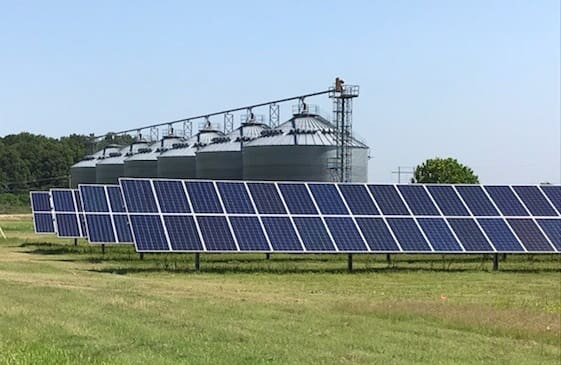
Solar leasing is the practice of installing solar panels on large areas of land leased from a third party to generate electricity from sunlight. Commercial solar leasing is a topic that has garnered increasing attention because of the high rental rates in many areas of the country. Large-scale commercial solar leases include several unique aspects that make them differ from the typical residential solar contract. Because landowners and solar companies are free to enter a contract containing whatever terms the parties agree on, the clauses and terms vary greatly from lease to lease. However, there are several common clauses that many leases contain. We gathered and analyzed many available commercial solar leases to create this blog series about the most common clauses and layout the variety of terms found within those common clauses. The following post details common clauses regarding miscellaneous topics such as assignment/subleasing provisions, confidentiality clauses, binding arbitration clauses, insurance requirements, and oil, gas, and mineral rights.
Assignment/Subleasing
Most, if not all, of these leases include a clause that allows the developer to assign, transfer, or sublease their interest in the property without the consent of the landowner. Some leases require limited or no notice to sublease or assign the developer’s interest to another party. Landowners may be able to negotiate for more notice on an assignment or sublease, but it is doubtful that the developer will forego this ability. Solar leases are long-term contracts that can last for decades and developers will want, or need, the flexibility to transfer the project to another party. What does this practically mean for the landowner? Other than negotiating for more notice potentially, this type of clause illustrates the importance of capturing the full agreement in writing. A landowner may have a wonderful relationship with the initial developer, but subsequent operators may not be so accommodating. The landowner’s success in navigating future challenges with the solar company depends on the language that is negotiated before the lease is executed.
Confidentiality Clauses
Solar companies often ask that landowners not discuss the details of their agreements with their neighbors or nearby landowners. Some leases specifically include confidentiality clauses that prohibit either party from disclosing to a third party the financial details of the agreement, especially during the option period. Landowners are also often prohibited from revealing the lessee’s product design, methods of operation and construction to any third party. These clauses are included to protect the unique features of a solar company’s business model from competing companies and potentially in negotiating different pay rates with different neighbors. There are several different issues that landowners and their attorneys should be aware of with confidentiality clauses.
First, this does not stop the landowner from seeking legal advice on the lease. In fact, a landowner may be able to use this clause to negotiate with the developer on paying some, or all, of the landowner’s attorney fees for reviewing the lease because they are creating legal liability for the landowner. In some parts of the country developers may be willing to reimburse attorney fees for the landowners and not in other parts, but it is an issue that your attorney should explore.
Second, the landowner should be able to consult with other people such as family members, accountants, tenants and lenders before signing the agreement as the contract needs to be executed for the confidentiality clause in the lease to come into force. Some developers may have other types of documents, such as Non-Disclosure Agreements (NDAs), that are introduced earlier in the negotiations and those agreements should be carefully reviewed by the landowner’s attorney before they are signed.
It is important to be aware of any confidentiality requirements in your agreement to avoid liability for breach of contract.
Arbitration and Venue
Ideally, lease agreements would sufficiently encapsulate the agreement of the parties, and the parties would not have any issues that lead to disputes. However, no contract can address all potential problems that may arise during a lease that is likely to last more than a quarter of a century. Leases often include arbitration clauses that require parties to resolve any disputes through binding arbitration rather than in court. Before entering a lease agreement that requires arbitration, a landowner should consider whether they are willing to surrender their right to have the case heard in court. These binding arbitration clauses are often more favorable to the solar companies because a landowner is much more likely to win a jury trial in his or her hometown against a large solar corporation.
Here is an example of a binding arbitration clause:
“Any Dispute that is not settled to their mutual satisfaction within the applicable notice or cure periods provided in this Agreement shall be settled by arbitration between the Parties.”
Venue, or forum selection, is another clause that your attorney should carefully review. Venue clauses decide the location where a contract dispute will be litigated. If the solar lease does not specify where venue should occur, then the default answer is where the breach of contract happened. This is usually going to be the county or parish where the solar lease is located which typically favors the landowner. Developers that do not have an arbitration clause will usually want to have any court actions held in a location that is more favorable to them. The landowner’s attorney should carefully review these sections of the agreement to fully protect the landowner’s interests as much as practicable in case of a later dispute.
Insurance/Indemnification
It is important to ensure that, in the case of an accident that causes loss, both parties are protected. The most common lease requires the developer to maintain an insurance policy that covers injury to person and property. These clauses typically include a minimum policy amount. For example, a $2 million minimum for each individual occurrence and $5 million in umbrella liability insurance. This requirement ensures that the solar developer will be able to pay for any damages that arise from its actions or injuries on the property.
Additionally, landowners are subject to premises liability and owe a certain duty of care to those who enter their land. This duty of care would extend to employees of the solar company, maintenance workers, and any other individual who enters the land in relation to the solar project. Solar leases should include indemnity clauses in which the developer agrees to indemnify and hold harmless the landowner for any losses caused by injury to another person or piece of property. This is important because it is possible that an accident may occur in the 30+ year span these agreements typically last, and the landowner does not want to be held liable for personal injury in relation to the project. Some early solar leases have indemnity clauses that protect the developer at the landowner’s expense and those should be avoided whenever possible. The landowner should not be held responsible if, for example, teenagers shoot at solar panels from the road and cause damage. A well drafted lease will put the risk of liability on the developer since they are the ones with control over that property during the life of the solar lease.
Mineral Rights and Solar Leases
It is very common in some states that both mineral developments (usually oil and gas exploration) and solar development are happening in the same area at the same time. Solar developers will want the exclusive right to use the property for their solar project and may ask landowners for some form of assurance in the lease that they will have sole rights to the property. This may not be something that the landowner can guarantee. People that own the surface estate (the landowners) may not own the mineral estate (the valuable minerals underneath the surface) if those rights have been severed. In many states the mineral estate is the dominant estate over the surface estate, and they may use a “reasonable amount” of the surface as necessary to extract their minerals. This means that if the landowner has only the surface rights to their property, then they cannot, and should not, guarantee that the solar developer will have exclusive rights to the surface because they cannot exclude a mineral owner from extracting those minerals. With modern drilling techniques there is more flexibility on where the wellhead can be located, but the landowner should not agree to clauses that they may not be able to honor. Developers in states with active mineral exploration should be aware of this issue; however, the landowner’s attorney should also seek to minimize the risk by recognizing this risk in the lease agreement.
Conclusion
Ultimately, landowners and solar companies may include any clauses they wish in a lease agreement. It is best to enter into a comprehensive agreement that addresses all material issues and topics in order to protect both the landowner and the developer. Any term that is written in the lease is enforceable against both parties, and it will be more difficult, if not impossible to enforce terms that are not included in the written agreement. Landowners spend much of their time looking at the payment clause of a solar lease, but the other miscellaneous clauses can impact the overall success of the lease agreement.
To read other articles in the Solar Smarts for Landowners series click here.
To read Understanding Solar Energy Agreements by Shannon Ferrell, click here.
To read about Land Use Conflicts between Wind and Solar Renewable Energy and Agricultural Uses, click here.